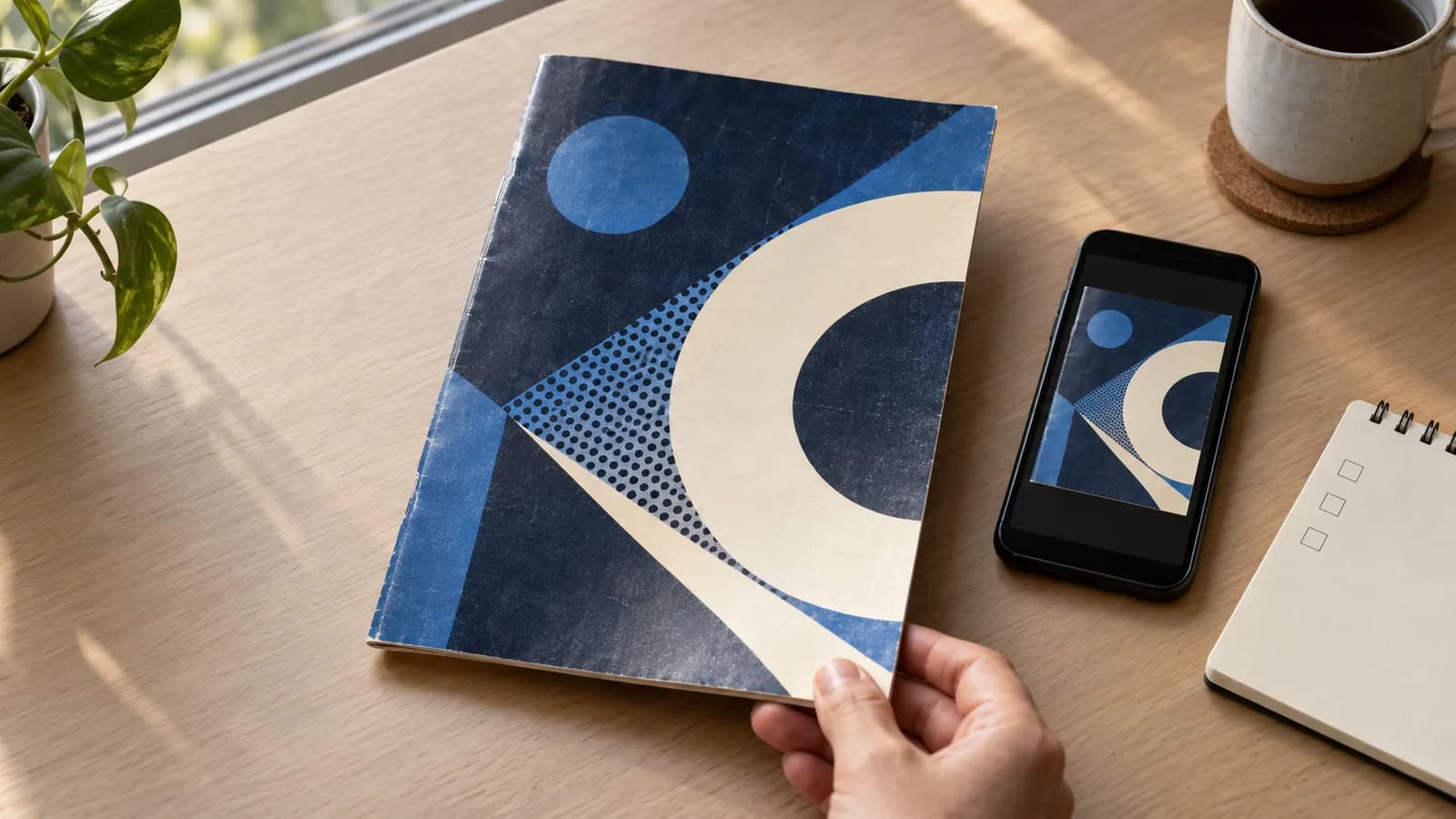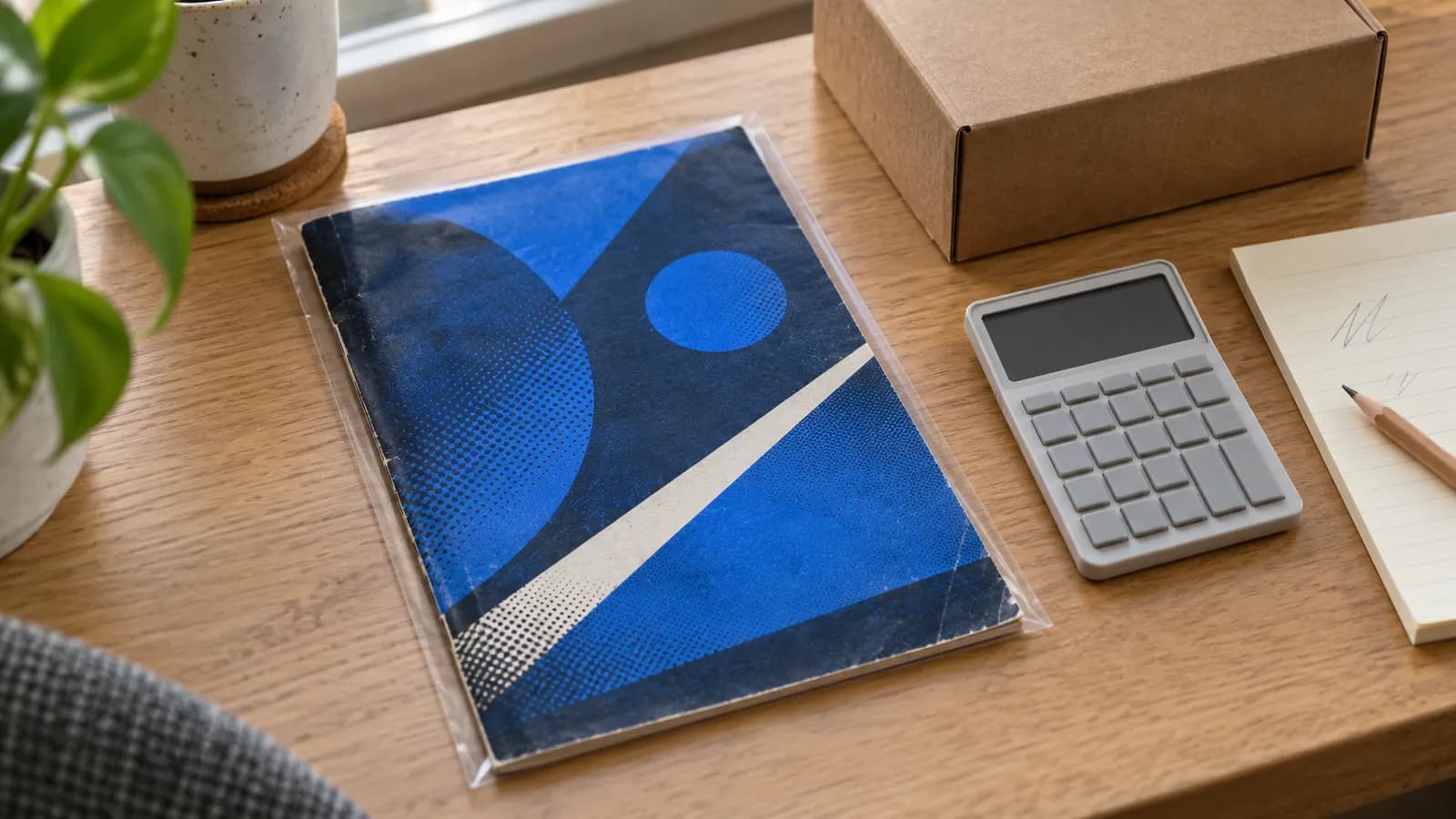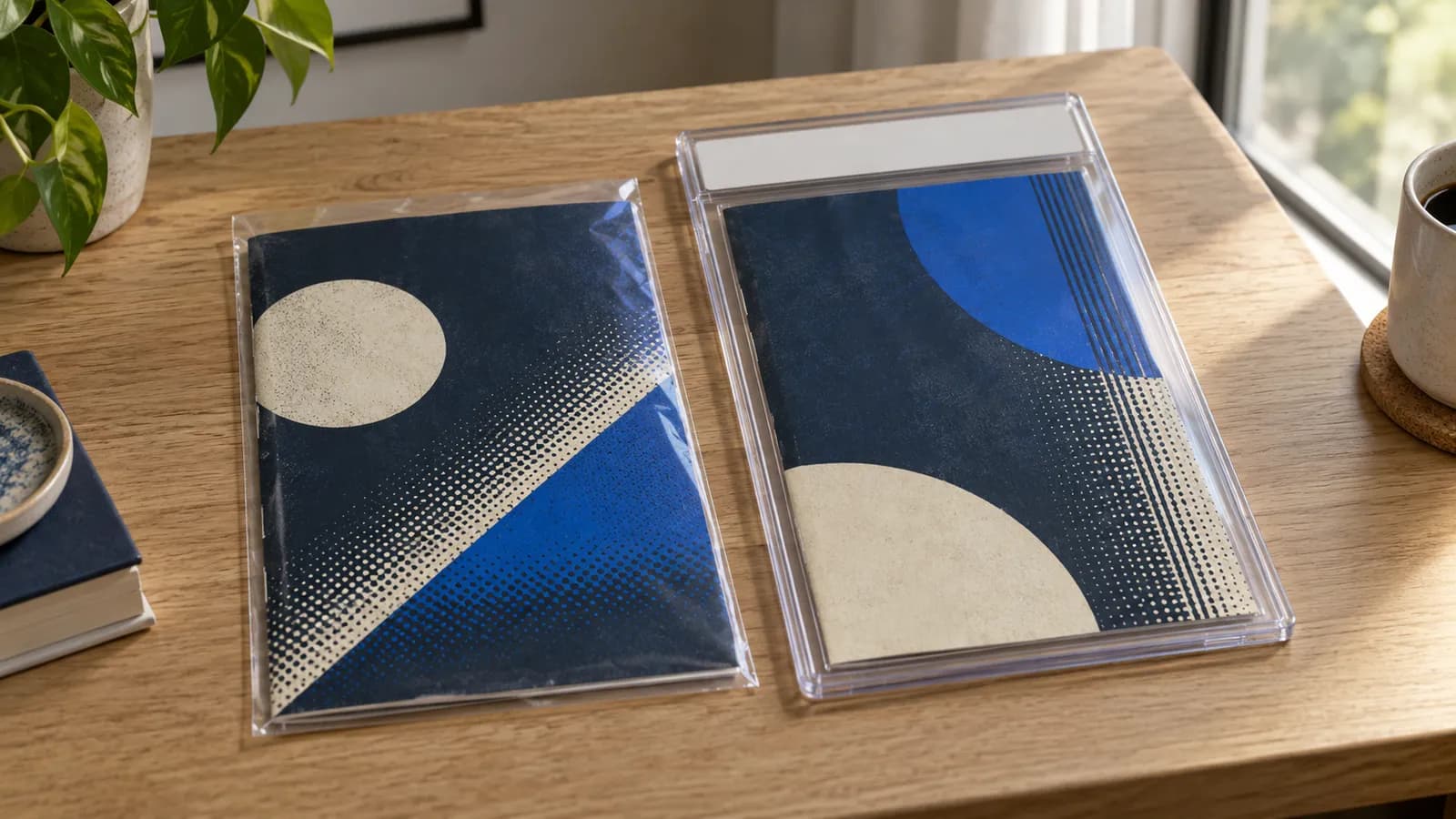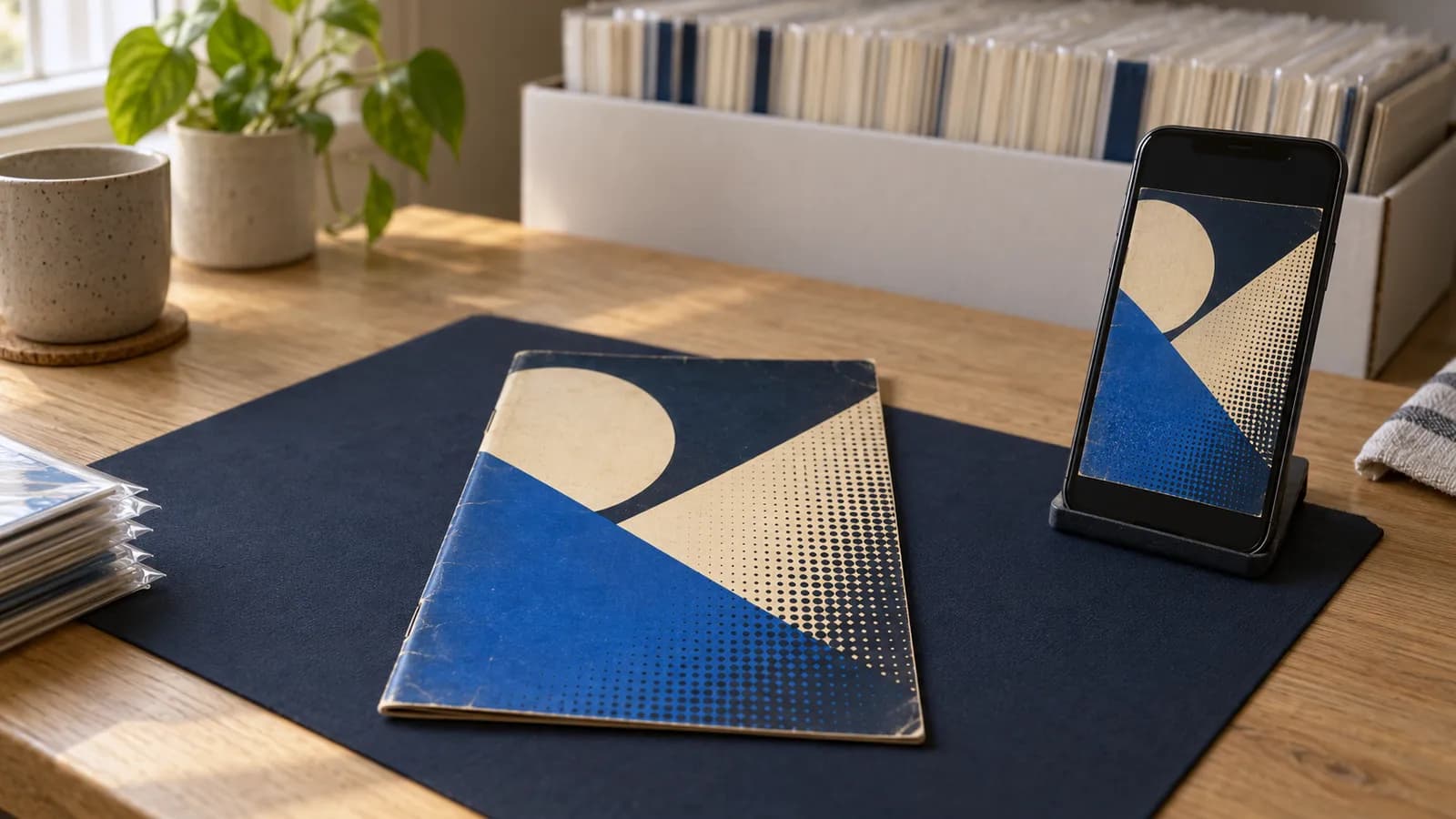
You can grade comics without CGC in two ways: grade the book yourself against the published 10-point grade descriptions, or get a photo-based estimate from an app such as NuGrade. Both keep the book in your hands, with nothing to ship. Neither carries the resale weight of a professionally graded, sealed book, so for a valuable key, professional grading is still the right call.
Which route fits depends on what the grade is for: a catalog entry, a raw sale, an insurance file and a key issue each need different evidence.
Three ways to grade a comic, compared
| Grade it yourself | Photo-based estimate (such as NuGrade) | Professional grading | |
|---|---|---|---|
| Who judges the book | You | An outside review of your photos and video | A grader with the book in hand |
| What you get | Your own grade and notes | A grade, a range and findings tied to photos | A certified grade in a sealed, labeled holder |
| Book leaves your hands | No | No | Yes, shipped both ways |
| What it costs you | Time and practice | A per-report fee | Service fee, shipping, insurance and time away |
| Restoration check | What you can spot | Visible signs only | In-hand screening by a grader |
| What a buyer can check | Your photos and your word | A public report, by ID or QR code | The sealed holder and its label |
The first two routes tell you what condition the book is in. Only the third puts a certified grade on it.
Route 1: grade it yourself by hand
Grading by hand costs nothing but time, and the book never leaves your desk. You also learn your own books. The cost is that the result is only as strict as you are, and a buyer has only your photos and your word.
CGC publishes its grading scales for comics, including page quality and restoration, on its website (as of October 2026). Grade against those descriptions, not memory, in this order:
- Identify the book, count the pages, and confirm the centerfold is there and no coupon is cut.
- Covers, front and back: creases, color break, dents, abrasion, stains, writing.
- Corners: blunting, creases, ink worn through to the paper.
- Edges: chips, tears and wear flecks.
- Spine: color-breaking stress ticks, stress lines near the staples, spine roll, splits.
- Staples and centerfold: rust, rust stains, staple tears, a loose centerfold.
- Interior and page color: tears, writing, the tone in the middle and at the edges, signs of brittleness.
- Restoration signs: color touch, piece fill, trimming, a cover that does not match the interior.
- What only you know: odor, a brittle feel, pressing, cleaning, signatures.
Grade by the worst defect, not a total. The single worst finding sets the ceiling, and page quality and brittleness cap the grade on their own. Write a band, such as 7.0 to 8.0, and name the flaw that limits it. The photo-first home grading checklist covers each step, the thresholds that matter, and a condition record you can copy.
Route 2: get a photo-based estimate
A photo-based estimate gives you an outside opinion without sending the book anywhere. NuGrade, for example, guides you through seven stills (front cover, back cover, the centerfold staple seam and four corner close-ups) and two short videos (a slow spine pass and a page flip-through). The capture is designed to take under three minutes for a prepared book, and the app checks for common capture problems before you submit. A short survey asks only what the camera cannot see, such as signatures, pressing, cleaning, trimming, odor and a brittle feel.
The report gives a 10-point grade with its tier, such as 9.2 NM-, and a plausible range. Findings are grouped by area, each one cites the photo or video frame it came from, and a "why not higher" line names the limiting defect. You also get a page-quality call and, when the page-flip video lets the app count the pages, a completeness check. Each report has a public URL, a short ID, a QR code and a PDF, and anyone can verify it at nugrade.app/lookup without an app or account.
Here is what that looks like on a real book. The Green Lantern #59 sample report (DC, March 1968) found a row of short color-breaking stress ticks along most of the spine, concentrated at both staples, and graded the book 5.5 FN-, with a range of 5.0 VG/FN to 6.5 FN+. The same report lists restoration as Unverified, because the photos could not establish it.
What it costs you: one credit per report once a new account's complimentary credits are used (see current pricing), a few minutes, and the limits of photos. A NuGrade grade is an evidence-bounded opinion, not a substitute for professional grading. Competent restoration can be invisible in ambient-light photos, odor and brittleness come only from your answers, and defects smaller than the photos resolve may exist.
Route 3: professional certification and encapsulation
Professional certification means shipping the book to a grading service such as CGC. A grader examines it in hand, screens it for restoration and trimming, and seals it in a tamper-evident holder with a label that shows the grade. Other services do the same job; the grading companies compared covers who does what, with current fees and turnaround.
What it gives you: an in-hand inspection, restoration screening that photos cannot match, and a certified grade. For valuable books, the sealed holder is part of the resale value.
What it costs you: the service fee, shipping and insurance both ways, and time without the book. Fees and turnaround depend on the service, the book's value and the service level. Once the book is sealed, you cannot read or handle it without breaking the holder, and a book taken out of its holder is raw again.
Which route fits your goal
Cataloging a collection
Grade by hand. For runs of readers and mid-value books, a careful self-grade with a photo set per book tells you what you have and flags the few books worth a closer look. Use photo reports for the books you want documented by an outside opinion, and run the cost math in is this comic worth slabbing before you send any book away.
Selling raw online
Buyers of raw books buy from photos, so give them evidence: both covers, four corners, the spine, the centerfold, and an honest grade band with the limiting flaw named. A photo report adds an outside opinion with each finding tied to a photo, and a buyer can check a NuGrade report at the lookup page without an app or account. List the book as raw, and never present a self-grade or a photo report as a certified grade. If you sell in volume, see how shops and dealers use NuGrade.
An insurance or estate record
Here you need a dated, specific record: what the book is, its condition, and the photos. A home condition record does that, and a NuGrade report adds a fixed date, a report ID and a PDF. Neither is an appraisal, so ask your insurer or the estate's adviser what they accept.
Buying a raw book
Ask the seller for the photos a grader would want: both covers, four corner close-ups, the spine in skimming light, the centerfold with both staples, and a slow page flip. Run your own checklist over them. If the seller offers a NuGrade report, verify its ID at the lookup page and confirm that it shows the copy in the listing. A report never changes, so it shows the book on its report date. Ask directly about restoration, pressing, odor and brittleness, because photos cannot settle those.
A high-value key
Send it to professional grading. When the exact grade sets the price, the sealed holder is part of what a buyer pays for, and restoration or trimming needs in-hand screening. A hand check or a photo report is still a useful first step, because it can catch an obvious problem, such as a color-breaking crease or a spine split, before you pay to submit. It cannot promise the number that comes back; see what a pre-grade can tell you.
What a self-grade or a photo report will not do
- Neither carries the resale weight of a slab. A raw book with a self-grade or a NuGrade report is still a raw book, and it does not sell as a professionally graded one.
- Neither replaces in-hand restoration screening. Competent restoration can be invisible in ordinary light, in a photo or in your hands. Even the E-Man #1 sample report, a 9.2 NM- with only two findings, both production flaws, lists restoration as Unverified.
- Neither authenticates a signature. You can record who signed and whether the signing was witnessed, but neither route verifies it.
- A photo report cannot smell or feel the book. Odor and brittleness come from the owner's answers, so they are only as good as the disclosure.
- Both describe one moment. A NuGrade report never changes. If the book changes, a regrade creates a new report with a new ID.
Professional grading is still the right call for keys, for high-grade copies where one step on the scale moves the price, and for any book where restoration or trimming is a real possibility.
NuGrade is independent of, and not endorsed by, CGC. CGC is a trademark of its owner, used here only to identify its services.
Frequently asked questions
Can you grade a comic book yourself?
Yes. Inspect the book in a fixed order against the published 10-point grade descriptions, let the single worst defect set the ceiling, and write the result as a band with the limiting flaw named. Catalog or sell it as a raw book with an estimated grade, not a certified one.
Is a NuGrade report the same as a CGC grade?
No. A NuGrade report is an evidence-bounded opinion made from your photos, video and survey answers, with no in-hand inspection and no sealed holder. It does not carry the resale weight of a professionally graded book.
When should you still send a comic to CGC or another grading service?
Send it when the book is a key or a high-grade copy whose exact grade sets the price, when restoration or trimming is a real possibility, or when you plan to sell it graded rather than raw. For other books, a careful self-grade or a photo report keeps the book at home with nothing to ship.
How does a buyer check a NuGrade report?
The buyer scans the report's QR code or enters its short ID at nugrade.app/lookup, with no app or account needed. Each report is a fixed snapshot: it never changes, and a regrade creates a new report with a new ID.