Yes, within limits, and the limits are knowable. From sharp photos and video, an AI grader can see the common defects that set a grade: creases, spine ticks, corner wear, staple rust, tears, and page tone. It cannot smell the paper, feel brittleness, or reliably spot skilled restoration or a small trim. Judge AI comic grading accuracy by three things: a grade range, cited evidence, and stated limits.
What an AI grader works from
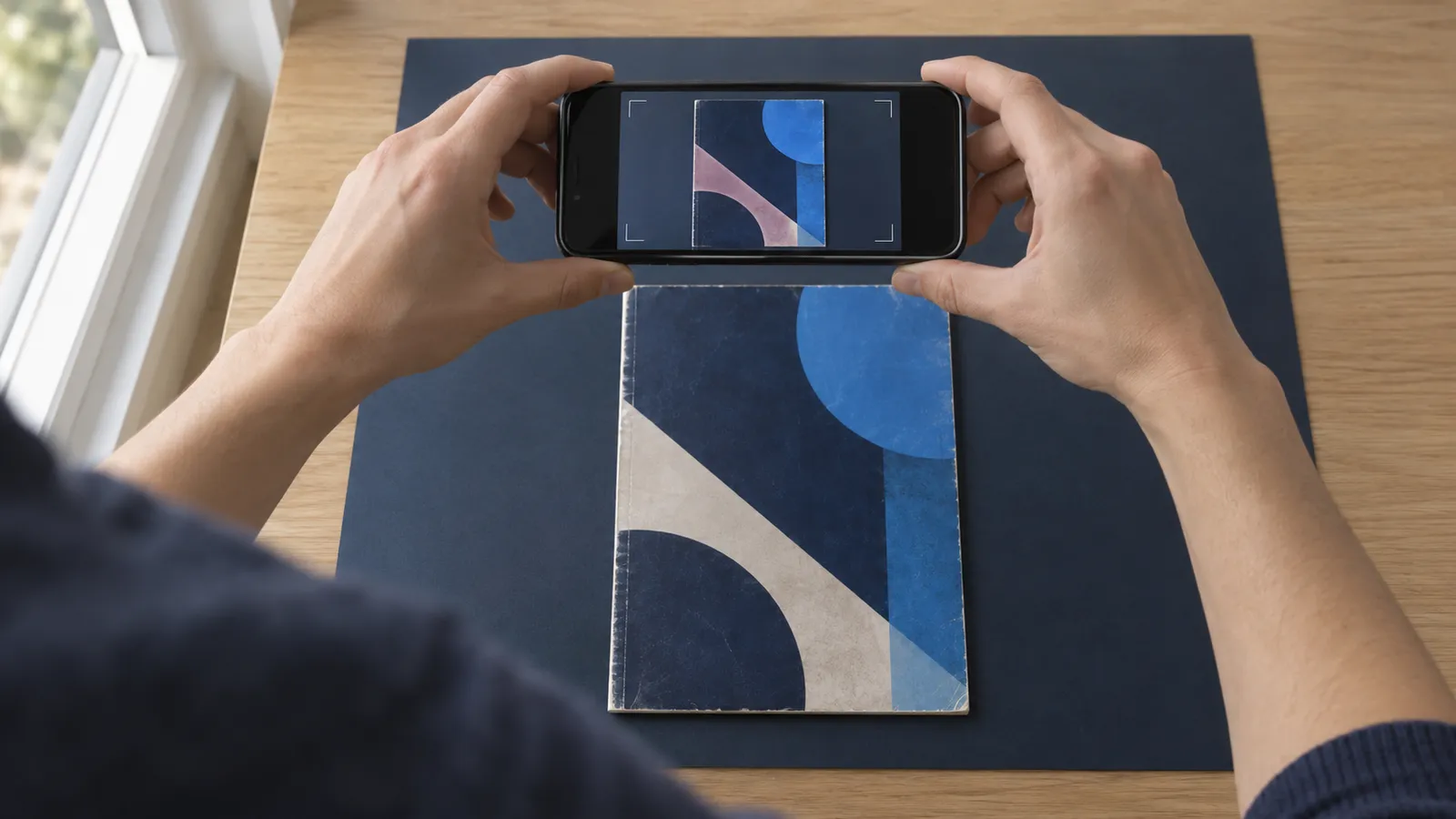
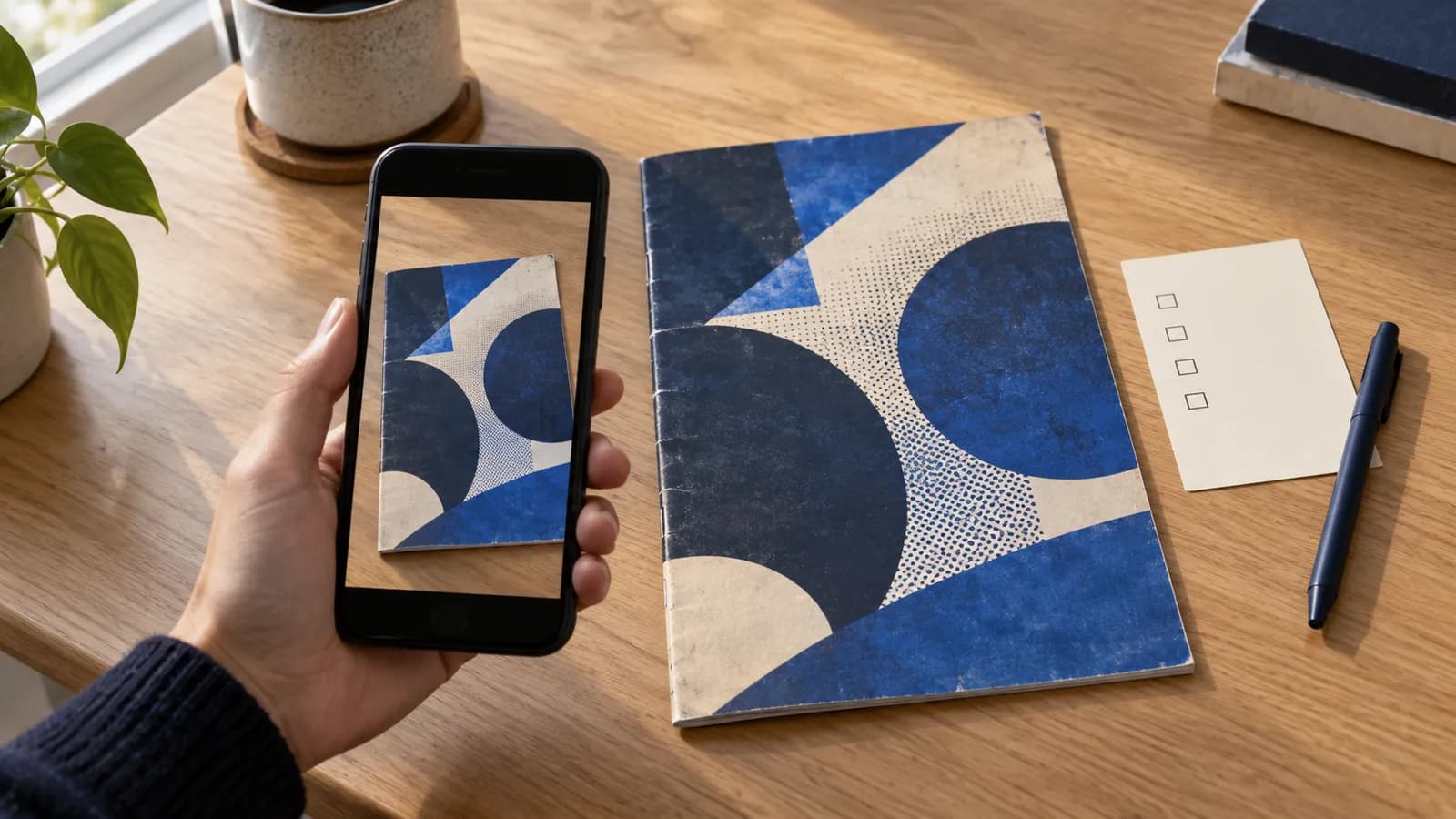
A photo grade is only as good as its evidence. NuGrade works from seven photos (front and back covers, four corner close-ups, and the centerfold staple seam), two short videos (a slow spine pass and a page flip-through), and a short survey about what the camera cannot see.
The report groups findings by area, from cover and corners to restoration and production, and each finding cites the photo or video frame it came from. As in any grading, the worst defect sets the grade, and a "why not higher" explanation names it.
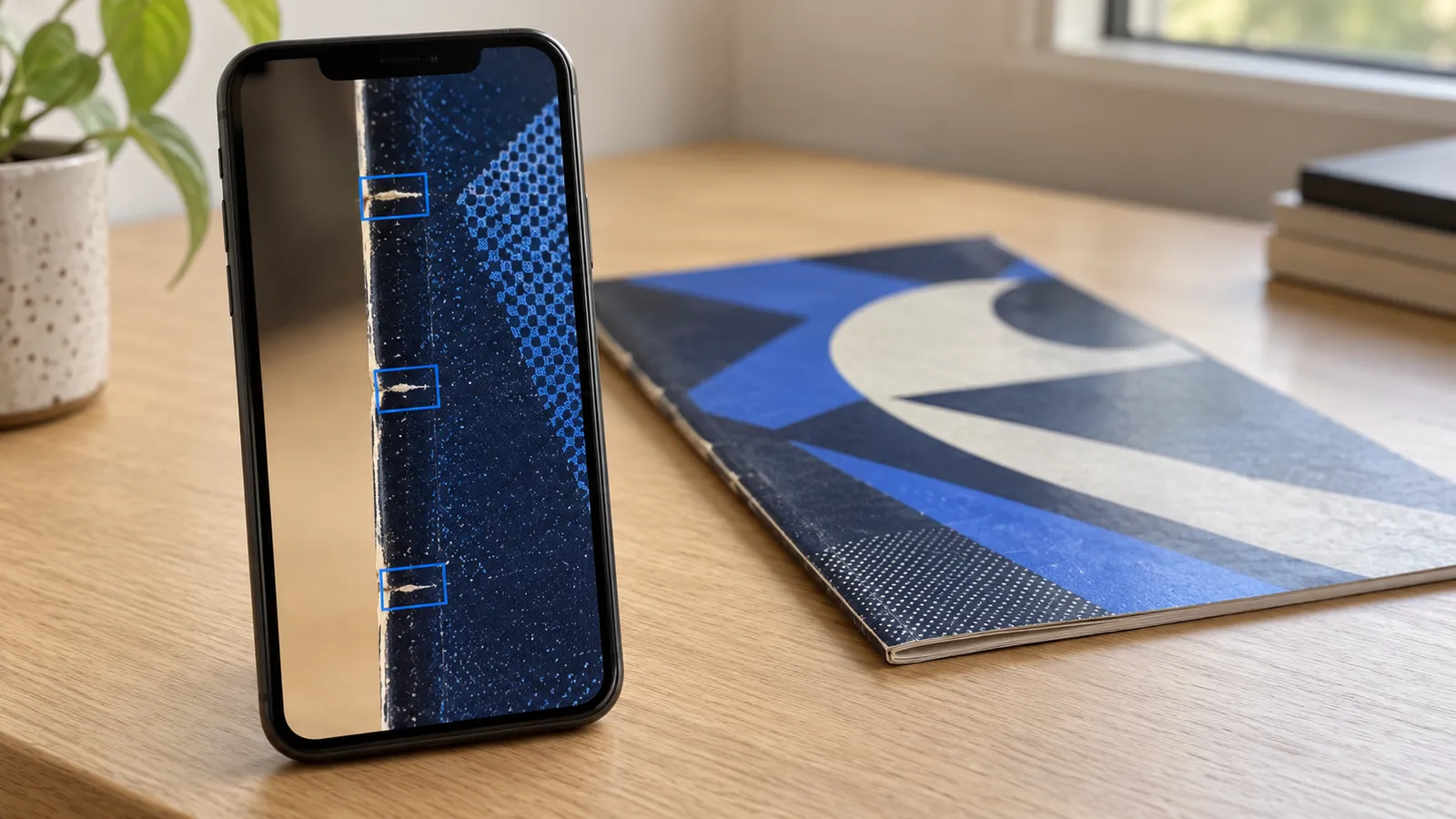
The videos do work a still photo cannot. As the phone moves, light strikes each surface from a changing angle, so a crease or tick that hides in one frame shows in the next. A real defect persists across adjacent frames, while a glint appears in only one. Capture quality therefore sets the limit for any photo grade, which is why how to photograph comics so the flaws actually show comes first.
Visible, disclosed, or unknown: the evidence table
Every condition question about a raw comic falls into one of three groups: what photos and video show, what only the owner can tell you, and what nobody can settle without the book in hand.
| Visible in photos and video | Owner must disclose | Unknown without the book in hand |
|---|---|---|
| Creases, dents, abrasion, and color breaks on both covers, including creases that show only as the light angle changes | Professional pressing, cleaning, or deacidification | Pressing or cleaning done before the current owner had the book |
| Spine ticks and stress lines, confirmed across adjacent video frames | Tape removed, or tape residue | Hairline ticks and fine dents smaller than the photos resolve |
| Corner blunting, wear flecks, edge nicks, and a cover that sits out of line with the pages | Trimmed edges | A clean trim of a small fraction of an inch |
| Obvious or poor-quality restoration: a flat patch on printed ink, a color mismatch, a fill that follows the damage | Color touch, piece fill, or ink retouch | Competent restoration with a close color and texture match |
| Page tone across the whole book, named on the standard color ladder | Acidic or musty odor, and a brittle or cracking feel | True white pages without a white reference in frame, and brittleness the owner has not noticed |
| Tears, missing pieces, coupon cuts, writing, stains, staple rust, a loose centerfold, and a page count when the flip shows every page | Married pages or a married cover | A married cover taken from a well-matched copy |
| A signature on the cover | Who signed it, and whether the signing was witnessed | Whether an unwitnessed signature is genuine |
The middle column is only as good as the owner's answers. NuGrade's survey asks about these items, and "Nothing that I know of" must be chosen, never pre-selected. Still, a survey answer is a statement, not an inspection, and restoration is the detail a seller has the most reason to leave out.
The right column is the boundary of the method, not a list of failures. Photos record the surface at a fixed resolution, in whatever light the owner had. A phone's white balance also shifts page tone, so a photo can place pages on the color ladder (cream to off-white, for example) but cannot prove true white without a known white reference in the frame.
Three real reports, and what each left open
Three public NuGrade sample reports, all graded on September 30, 2026, show how this works. In each, the page-flip count accounted for all 36 pages, the page quality call was Cream to Off-White, and restoration reads Unverified. What VF, FN and NM actually mean explains the tier names.
E-Man #1: two production flaws, nothing else found
E-Man #1 (Charlton, 1973) graded 9.2 NM-, with a range of 8.5 VF+ to 9.4 NM. Its only two findings came from production, not handling: a slight miswrap that leaves a narrow unprinted strip along the front spine edge, and a small dark mark at the left edge of the back cover, likely a bindery or printing artifact. The report also reads the cover's credit box as printed artwork.
Left open: restoration, which reads Unverified, and anything smaller than the photos resolve.
Guardians of the Galaxy #4: ticks confirmed across frames
Marvel Presents: Guardians of the Galaxy #4 (Marvel, April 1976) graded 7.5 VF-, with a range of 7.0 FN/VF to 8.0 VF. The spine set the grade: an accumulation of small stress ticks through the upper and middle spine, several showing white color break against the black cover, persistent across adjacent frames of the spine pass. That persistence is what separates a tick from a passing reflection. The seven findings also include a short color-breaking crease at the top-right corner tip and white wear flecks along the top edge.
Left open: faint marks at the top margin of two ad pages "could be pencil writing or show-through," and the page-flip frames could not settle which. The report records a possible defect instead of guessing. Restoration reads Unverified.
Green Lantern #59: color-breaking ticks at both staples
Green Lantern #59 (DC, March 1968) graded 5.5 FN-, with a range of 5.0 VG/FN to 6.5 FN+. Again the spine set the grade: a row of short color-breaking stress ticks along most of its length, concentrated at both staples and persistent across adjacent frames. The nine findings also include light abrasion in the green cover field with no crease through the image, blunted corners, small nicks on the back cover edges, and a mild bindery overhang.
Left open: the owner disclosed nothing in the survey, as on the Guardians #4 report, and restoration still reads Unverified. A survey answer cannot clear restoration on its own.
What these reports do not prove
These three reports are case studies, not an accuracy benchmark. This article does not compare them with in-hand grades, and three books could not measure accuracy even if it did. They show the kind of evidence a photo grade can cite and the questions it leaves open.
Why restoration usually stays unverified
Photos can catch obvious or poor-quality restoration: a patch that looks flat and smooth where the printed ink around it has a fine grain, a color that does not match the ink beside it, a fill whose edge follows the damage instead of the artwork, or a glossy area that stays bright while the gloss around it moves with the light.
Competent restoration is made to be invisible in ordinary, even light, the light most phone photos are taken in. A close color match on a worn corner can leave nothing a camera records, and a clean trim of a small fraction of an inch changes the book's size by less than a photo can measure.
So when the photos show no restoration signals, the honest result is "not established," not "unrestored." NuGrade reports that as Unverified: a real inspection with a real limit, not a certificate. If restoration would change what the book is worth to you, it needs an in-hand examination.
What accuracy should mean for a photo grade
No single number tells you whether to trust a photo grade. Look for four things instead.
- A point grade with a plausible range. The range shows how far the grade could move if the uncertain areas were checked in hand. A grade with no range hides its own uncertainty.
- Evidence you can check. Each finding should cite the photo or frame it came from, so you can look at the tick or the corner yourself. A buyer can also confirm that a NuGrade report is genuine by entering its ID on the report lookup page, with no app or account.
- A named limiting defect. The report should say which defect holds the grade down, so you can confirm or dispute it with the book in hand.
- Stated limits. The report should say what it could not establish, such as restoration, odor, brittleness, and defects below what the photos resolve.
If someone publishes an accuracy figure, ask how it was measured: how many books, how they were chosen, who graded them in hand, and how often the in-hand grade fell outside the stated range. A number without that method tells you nothing you can use.
Red flags in AI grading claims
Be wary of these, from any service:
- A single accuracy percentage with no method, sample size, or in-hand comparison behind it.
- A claim that a photo grade equals, or replaces, a professional grade in a sealed holder.
- A grade with no range.
- Findings with no photo or frame you can check.
- Restoration reported as "none" or "unrestored" from photos alone.
- A grade from one front-cover photo, which cannot show the back cover, spine, staples, or pages.
The checklist for choosing a comic grading app covers these in more detail.
When a photo grade is not enough
A photo grade suits a book you want to understand, list, or sell raw with honest evidence. It is least decisive at the top of the scale, where one hairline tick can separate two grades.
For investment-grade books, professional grading is still the right call. A tamper-evident holder is part of the resale value, and restoration or trimming needs in-hand screening. Deciding whether a comic is worth slabbing is mostly cost math, and what a pre-grade can tell you before submission covers where a photo grade fits.
Frequently asked questions
How accurate is AI comic grading?
It depends on the evidence and on how accuracy is measured, so a single percentage tells you little. A useful photo grade gives a point grade with a plausible range, cites the photo or frame behind each finding, and states what it could not establish, such as restoration, odor, and brittleness.
Can AI detect restoration on a comic from photos?
Sometimes. Photos can show obvious or poor-quality work, such as a color mismatch or a flat patch on printed ink, but competent restoration can be invisible in ordinary photos. NuGrade marks restoration Unverified when the photos cannot establish it.
Is an AI comic grade the same as a professional grade?
No. An AI photo grade is an evidence-bounded opinion from your photos and video. It is not a substitute for professional grading or encapsulation, where the book is examined in hand and sealed in a tamper-evident holder.
What does "Unverified" restoration mean on a NuGrade report?
It means the photos and video could not establish whether the book has been restored. It is not a finding of restoration and not a clearance, and only an in-hand examination can settle it.
Why does a photo grade come with a range?
The range shows how far the grade could move if the uncertain areas were checked in hand. A 7.5 VF- with a range of 7.0 FN/VF to 8.0 VF says the evidence supports 7.5, but the grade could shift one step either way.