Raw vs graded comes down to who examined the book and what holds the grade. A raw comic is any comic that is not sealed in a grading service's holder, even if a seller or an app has graded it. A graded comic, also called slabbed or certified, was examined in hand by a third-party service, sealed in a tamper-evident holder and labeled with its grade.
A careful seller's grade, or a photo report from NuGrade, an AI-assisted grading app for raw comics, tells a buyer more than a bare listing does. Neither one makes the book graded in the sense most buyers mean.
What raw, slabbed and certified mean
Raw and slabbed describe the book itself. The other terms describe who graded it, and how.
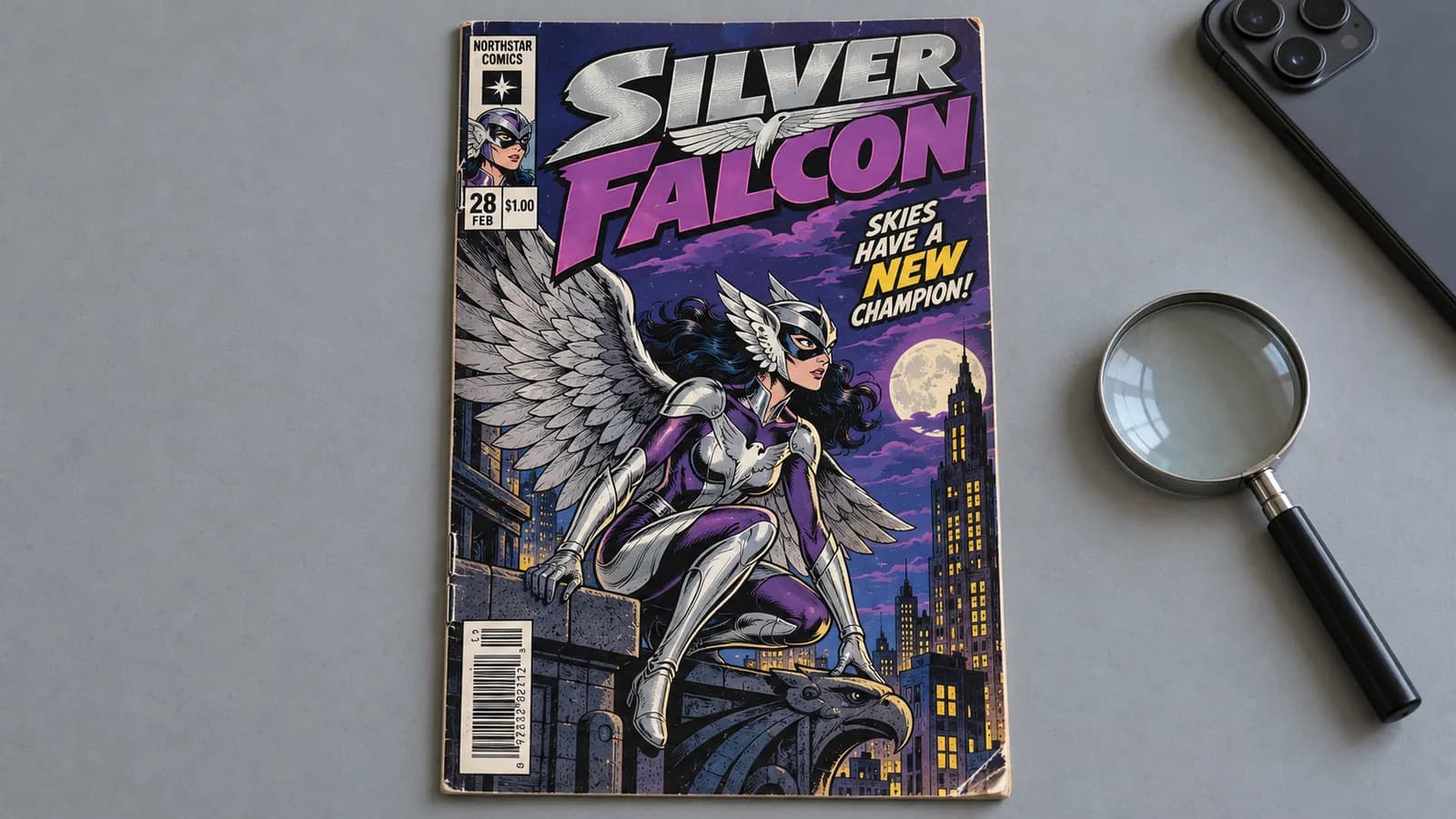
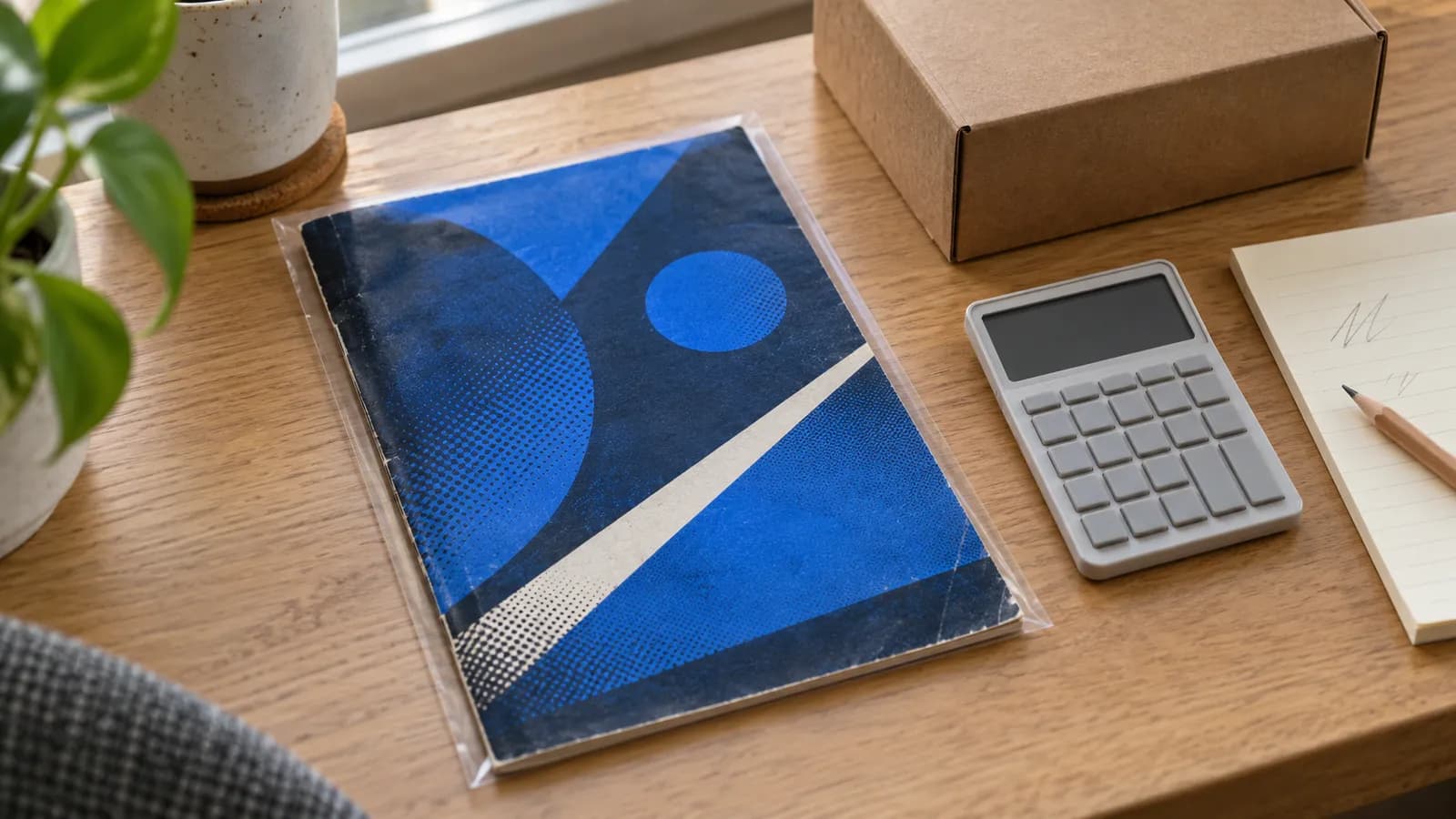
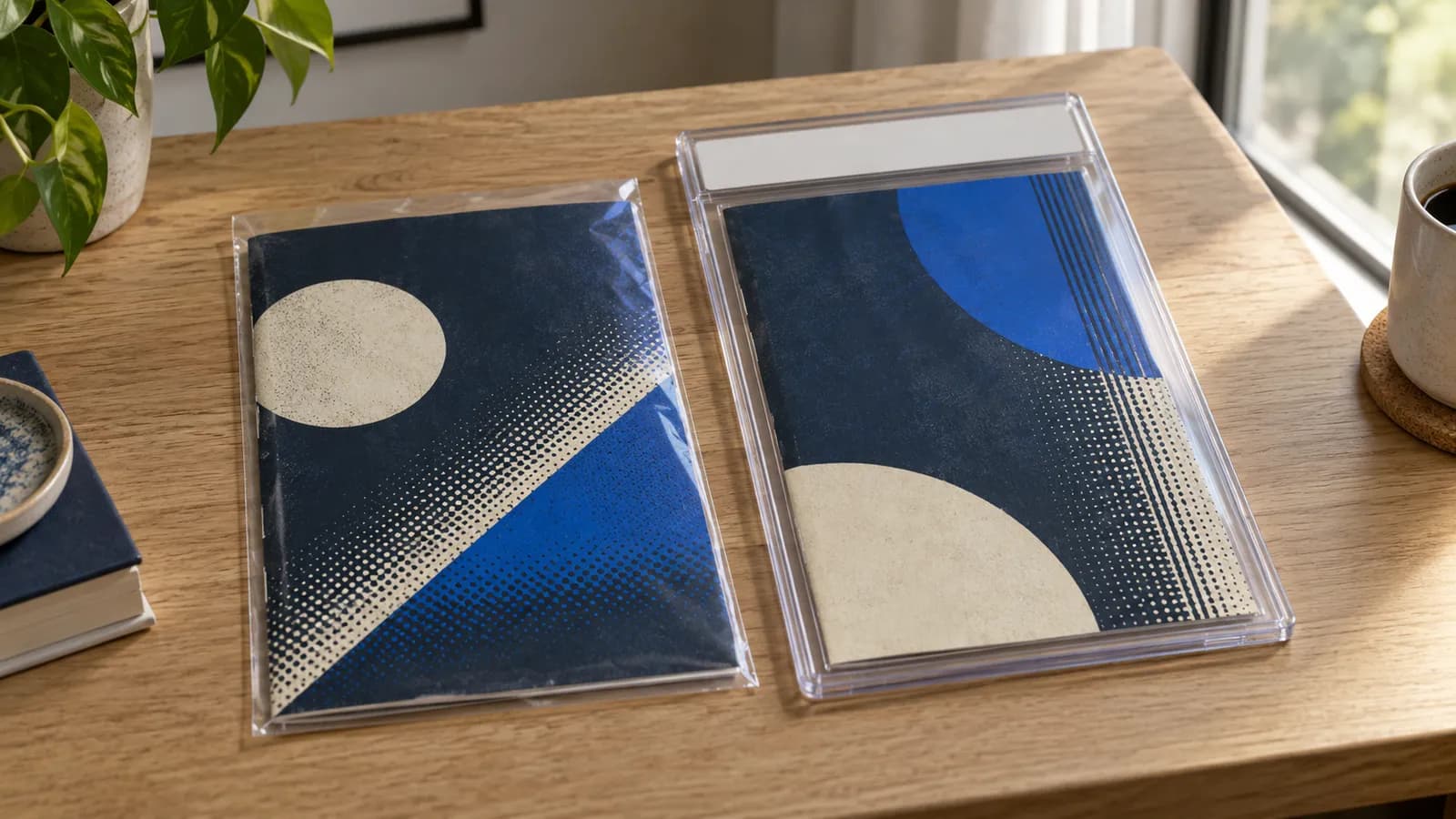
A raw comic is a comic that is not sealed in a grading service's holder. A bag and board, a rigid top-loader or a hard case you close yourself does not change that.
A seller's grade is the grade a seller gives a raw book. It is an opinion, however experienced the seller, and no third party has checked it.
A photo-based report is a grade made from photos and video of a raw book, without the book in hand. A NuGrade report is one example, and the book stays raw.
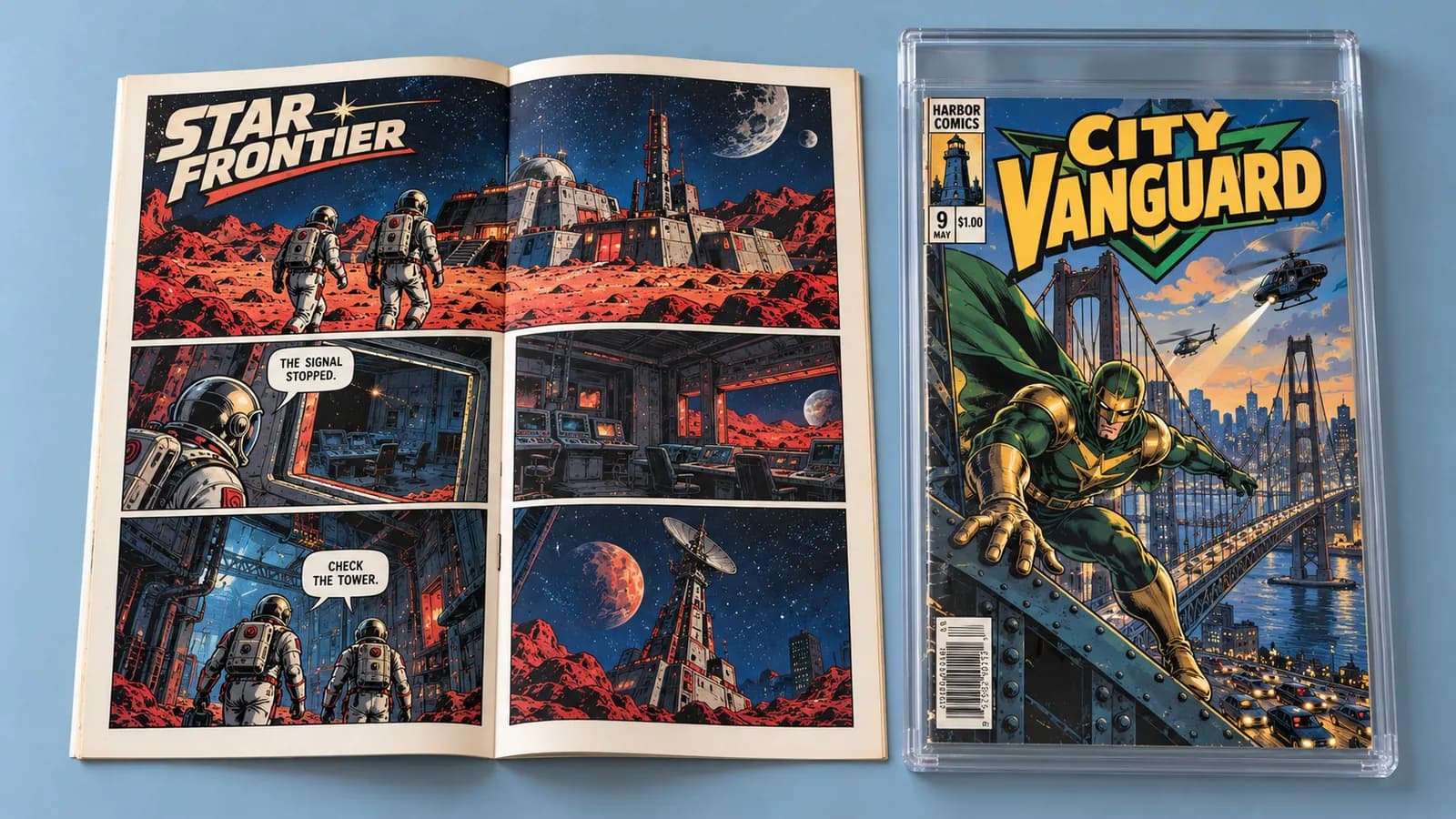
A slab is the hard, clear plastic holder that a grading service seals a graded comic in, with a printed label inside. "Slabbed", "encapsulated" and "professionally graded" all describe a book in one.
A certified grade is the grade a third-party grading service assigns after an in-hand examination and records under a certification number. The label identifies the book and shows the grade and the number. Depending on the service, it also flags special cases: a restored label states the restoration and its degree, and a qualified label names a significant defect.
What the listing words usually mean
The word to watch is "graded" on its own, because it can mean a certified grade or the seller's own opinion.
| Listing says | Usually means | Ask for |
|---|---|---|
| Raw, unslabbed, ungraded | Not in a grading service's holder | The full photo set |
| Graded 9.4, no service named | The seller's own grade | The photos behind the grade |
| Slabbed, certified | Sealed by a grading service | The certification number and sharp photos of the label |
| Cracked, ex-slab | Removed from its holder, raw again | Current photos, not the old grade |
| Photo report included | A photo-based opinion on a raw book | The report ID, and photos of the same copy |
Raw vs graded comics compared
The three differ in who examines the book, who keeps it while it is graded, and what the grade is tied to. The first two are still raw books.
| Raw, seller's grade | Raw, with a NuGrade report | Slabbed, certified grade | |
|---|---|---|---|
| Who grades | The seller | An AI-assisted grader, from the owner's photos, video and survey | A grader at a third-party grading service |
| How the book is examined | However the seller chose | Seven stills and two short videos; a survey covers what a camera cannot see | In hand, covers and interior, with restoration screening |
| Custody | The seller keeps the book | The owner keeps the book; nothing ships | The book ships to the service and back |
| What the grade is tied to | The seller's word | A dated set of photos and video | The sealed book |
| What the buyer gets | Listing photos and a description | A public report with a grade, a range and cited findings | The book in a tamper-evident holder, with a label and a certification number |
| Restoration | What the seller saw or disclosed | Visible signs only; Unverified when the photos cannot establish it | Screened in hand and stated on the label when found |
| Cost and time | Nothing extra | One credit per report; capture under three minutes for a prepared book | A per-book fee by value and speed, plus shipping and insurance both ways; weeks away |
| How buyers treat it | A claim to check against the photos | An outside opinion they can verify, on a book sold raw | A fixed reference, priced against sales at the same grade |
For current fees and turnaround by service, see the grading companies compared. NuGrade's credit prices are in the pricing section.
What ties each grade to the book
A seller's grade is tied to the seller's word, a photo report to its photos, and a certified grade to the sealed book. That tie decides what a buyer must check before paying.
A seller's grade: the seller's word
Nothing outside the listing backs a seller's grade, so you can check it only against the seller's photos. Ask for the set a grader would want: both covers, four corner close-ups, the spine in skimming light, the centerfold with both staples, and a slow page flip. How to photograph comics for grading explains each shot.
A photo report: the photos, on a date
On a NuGrade report, each finding links to the photo or video frame it came from, and the report is stamped with its grading date and the method version that produced it. A regrade creates a new report with a new ID and does not overwrite the old report. The owner can delete either report.
Nothing physically joins the report to the book, so check two things. First, that the report is real: open it by its short ID or QR code at the lookup page, with no app or account. Second, that the copy for sale is the copy in the report: find one specific mark, such as a corner crease or a spine tick, in both sets of photos.
A certified grade: the sealed book
The service examines the book in hand, seals it in a holder and records the grade under the certification number. The grade travels with the book because the holder is tamper-evident: it is built so that an attempt to open it shows.
Check the number on the service's own website. A matching record proves only that the number exists, so compare the title, issue, grade and label type in the record with the label in the photos. Then look along the holder's edges for cracks or signs that it was opened.
A photo report beside a certified label
A NuGrade report and a slab label carry different information because they rest on different evidence. The report column below is the E-Man #1 sample report (Charlton, October 1973), graded on September 30, 2026. The label column describes what certified labels carry in general, not a label for this copy.
| Certified label on a slab | NuGrade report, E-Man #1 | |
|---|---|---|
| Grade | One grade on the 10-point scale | 9.2 NM-, plausible range 8.5 VF+ to 9.4 NM |
| Why that grade | Not on the label; some services post short notes online | Two production findings: a slight miswrap with a narrow unprinted strip along the front spine edge, and a small dark mark at the left edge of the back cover, likely bindery or printing |
| Evidence | The book, examined in hand, then sealed | Seven stills and two videos; each finding links to its photo or frame |
| What a buyer can see | The covers, through the plastic | Every submitted photo and video, including the page flip |
| Pages | Examined in hand | Cream to Off-White; all 36 pages accounted for in the page-flip count |
| Restoration | Screened in hand; a restored label when found | None detected, with the note that photos can miss skilled work |
| Tied to | The sealed book | The photos, as of September 30, 2026 |
| How to check it | The certification number, on the service's website | The report ID or QR code, at the lookup page |
The label is the verdict of an in-hand examination, and the holder keeps it attached to the book. The report shows its evidence and names what it could not see, but it certifies nothing. We make NuGrade, so weigh this with that in mind: a NuGrade grade is an evidence-bounded opinion, not a forecast of what a service would assign, and it does not replace professional grading. For what a photo grade can miss, see what AI can and cannot judge from photos.
Why graded copies often sell differently from raw copies
A slab changes how much a buyer must take on trust, and that moves the price in both directions. For a valuable book, buyers often pay more for a slabbed copy.
- Less to take on trust. The buyer need not believe the seller's grade or photos, so a sealed, numbered book can sell to someone who has never held it.
- Restoration already screened. A raw book carries the chance of undisclosed restoration. A slabbed book was screened in hand, and a restored copy says so on its label; buyers price it below an unrestored copy with the same look. Whether photos can show restoration covers what a raw buyer can check.
- Like-for-like prices. Buyers price a slabbed copy against recent sales of the same issue at the same grade. Raw sales compare less cleanly, because one seller's 9.2 is not another's.
- Visible scarcity. Grading services publish census data: how many copies of each issue they have graded, at each grade. A high grade with few copies on record can sell at a premium that a raw copy cannot claim.
- A fixed grade cuts both ways. A slab makes a disappointing grade public. A raw copy keeps its uncertainty, which can draw buyers who hope it grades higher.
- The fee is a floor. For an inexpensive book, the fee, shipping and insurance can cost more than the slab adds. Is this comic worth slabbing works through that math.
A photo report changes none of this: the book still sells as a raw book.
Why some collectors keep books raw
Collectors keep books raw to read them, to handle and store them easily, and to avoid fees and waiting. A slab protects and documents a book, but it also seals it away.
- To read them. You cannot read a slabbed book without opening the holder, and opening it ends the certified grade.
- To handle and store them. A bagged and boarded book fits a standard short box. Holders are thicker and heavier and need storage of their own.
- To save fees and time. Fees, shipping both ways and weeks of waiting add up fast across a long run of inexpensive issues, where a label may not change the price at all.
- To keep options open. A raw book can still be signed, sent for professional pressing or submitted later. A slab fixes one grade on one day.
What happens when a slab is opened
Opening a holder, which collectors call cracking a slab, turns the book back into a raw book. The label and certification number described the book as it was sealed, and once the seal is broken they no longer vouch for it.
- The certified grade ends. Once the seal is broken, the label no longer vouches for the book. A book sent in again is graded again, with no promise of the same grade.
- Keep the old label. File it with the book's records, and if you resubmit, ask the service whether it wants the label back for its census.
- The book is at risk. Opening a holder means cutting or prying sealed plastic, and a slip can damage the book. If only the holder is damaged, ask the service that graded it about a new holder before you open anything.
- For a buyer, the old grade is history. A listing that says a raw book came out of a 9.6 holder tells you its past, not its condition now. It may have been handled, pressed or damaged since, so judge it from current photos.
Frequently asked questions
What does raw mean for a comic book?
A raw comic is any comic that is not sealed in a grading service's holder. A bag and board, a rigid case or a seller's grade does not change that.
Is a slabbed comic the same as a certified comic?
In practice, yes. Both terms describe a comic that a third-party grading service graded in hand and sealed in a tamper-evident holder with a label and a certification number, and "certified" refers to the grade on that label.
Is a NuGrade report a certified grade?
No. A NuGrade report is an evidence-bounded opinion made from the owner's photos, video and survey answers, and the book stays raw and in the owner's hands. It does not replace professional grading, and it does not carry a slab's resale weight.
Do graded comics sell for more than raw comics?
Often, for valuable books, because a slab reduces buyer uncertainty about the grade and restoration, and buyers can compare sales at the same grade. For an inexpensive book, the grading fee and shipping can cost more than a slab adds, so check recent sold listings for your issue first.
What happens to the grade if you crack a slab?
The book becomes raw again, and the old grade no longer applies to it. To get a certified grade back, the book goes through grading again, with no guarantee of the same grade.